
Sources for American Canyon Previous Residents
A house history is an era ladder. No one source covers the full period or answers the same question. The table marks the verified years, keeper, and evidence so a missing entry is not mistaken for a missing household.
| Source | Years covered | Where held | What it shows |
|---|---|---|---|
| Official records and deeds | 1848 to present index stated | Napa Recorder | Recorded parties, transfers, liens, maps, legal descriptions |
| Tax assessments | 1884-1893 research series | Napa Valley Genealogical Society | Owner, property, and value lead |
| Great Registers | 1880-1894; 1908-1956 | Napa Valley Genealogical Society | Historical voter, residence, age, or occupation clues as series permits |
| Polk directories | 1937 through 1950s nearly continuous for Napa | California State Library and digitized leads | Named residents or businesses within verified publication scope |
| Federal census | Decennial schedules through 1950 public | NARA, FamilySearch, libraries | Household at the census date |
| Obituary and cemetery files | Obituaries 1970-2003 and 2011-2014; cemetery 1850-2013 | Napa Valley Genealogical Society | Death, relatives, burial, former place |
| Permits and code files | Coverage start not located | American Canyon or Napa County | Work, applicant, date, and status when releasable |
The era table is a research plan, not a guarantee that each year has a readable image. Confirm a title, place scope, and access route before making a statement about previous residents.
American Canyon Previous Residents Deed Trail
The backward trail starts with jurisdiction and APN. Use the American Canyon public web map to confirm the parcel, city boundary, and report. Use the assessor for released ownership or mailing clues. Then take the current owner or document reference to the recorder.
- Confirm the address, APN, legal description, city limit, and map references.
- Locate the current acquisition deed and record grantee, grantor, date, document type, legal description, and prior reference.
- Search the grantor as an earlier grantee, narrowing by date and document type where the index permits.
- Repeat the chain. Track liens and releases separately because they are not ownership transfers.
- When a party search becomes uncertain, move to book/page, filed maps, the recorder counter, or historical deed books.
- Grantor
- The party transferring an interest in a recorded instrument.
- Grantee
- The party receiving an interest.
- Chain of title
- The sequence of recorded transfers connected to a parcel.
- Legal description
- The written land description that can outlast a mailing address.
The Napa Official Records search states coverage from 1848 to current. Its free form is a limited name-and-date index, not a direct street browse. The full index and images are listed at $4,316 per year for a prepaid subscription. A recorder counter, mail or copy order can be the practical fallback.
American Canyon Previous Resident Records from 1848
Napa's advertised 1848 recorder start predates Napa County's February 18, 1850 organization. Early records therefore need territorial context. A historic deed may use a place or boundary that does not resemble a modern American Canyon address. Search the party, preserve the original wording, and bridge forward through legal description, map, APN, and intersecting geography.
The free recorder interface exposes Full Name, From Date, To Date, Search, and acceptance buttons. It does not expose address, APN, document type, book/page, or document number fields in that mode. After a result, record the document reference and request the underlying record when the question requires the wording of the legal description or vesting.
Filed Map Search supplies another bridge with location, title, and book-page modes. A search is free; a map page is listed at $4. An account and $50 initial charge-down deposit are required for map subscription access, with $4 per image. Card payment adds a $7 fee. Call the Recorder-Clerk at 707-253-4247 when a fee, spelling, or image question is time-sensitive.
The county's official-record guidance is visible in the public record search and the Napa court file research instructions.
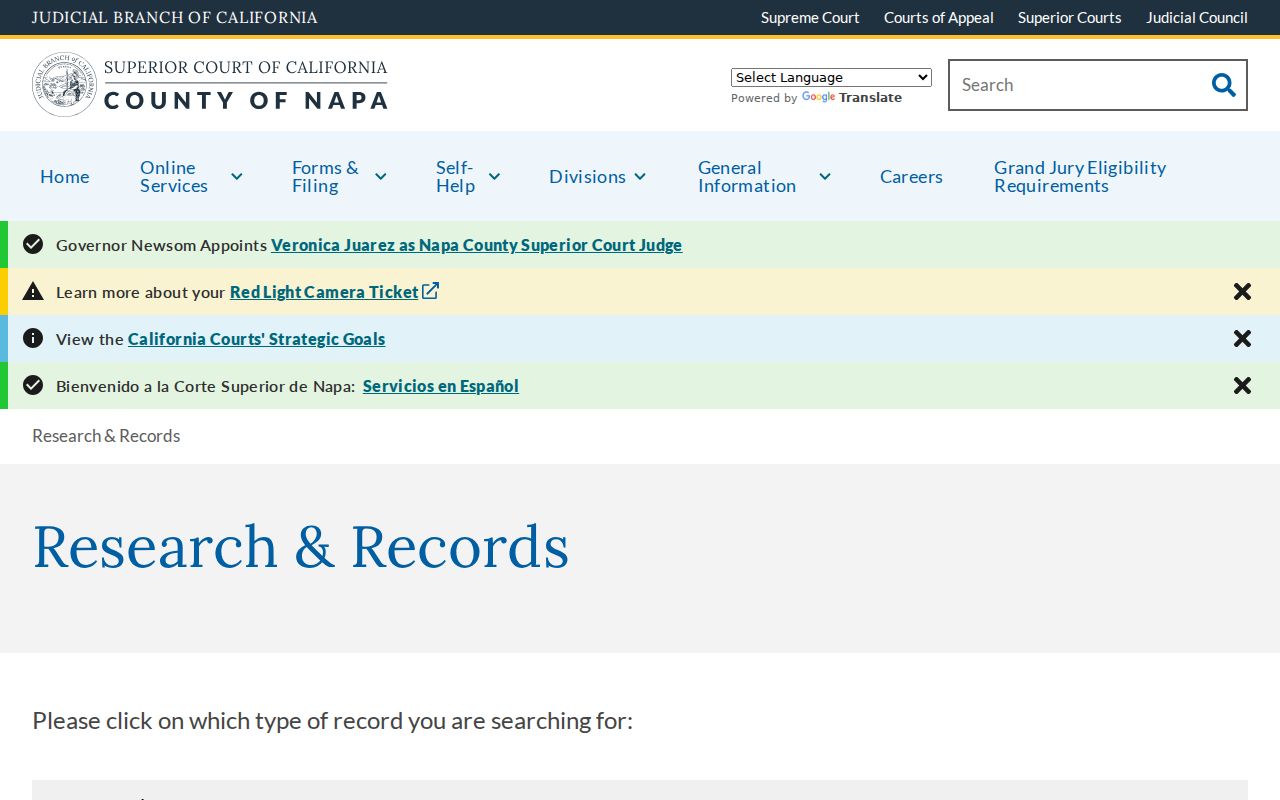
A court file can sometimes explain a later estate or title event, but the deed chain remains the property-history backbone.
American Canyon Previous Residents by Era
Recorded ownership is only half of previous residents research. Great Registers, tax assessments, and census schedules can put a person or household near an address in a particular era. NVGS's Great Registers cover 1880-1894 and 1908-1956. Its tax assessment series covers 1884-1893. Federal population schedules are public through 1950 under the 72-year rule.
Record the series title, year, place scope, name spelling, address, and any age or occupation field. Then compare the result to the deed interval. A person can appear in a directory or register without owning the parcel. A deed owner can be absent from a household schedule. The sources answer different questions.
Use the Napa County Historical Society research service, NVGS lookup desk, county library databases, and FamilySearch affiliate access for gaps. A catalog or abstract points to a source; it does not replace the original page or certified copy.
American Canyon Napa Junction Records
American Canyon was not incorporated until 1992. Historical records may therefore file a former resident under Napa Junction, southern Napa County, a countywide publication, or a Vallejo-area geography. Search all of those terms before deciding that a household disappears.
Street names, APNs, and legal descriptions are safer bridges than a modern city label. No authoritative citywide street-renumbering year was located. If a historic address does not map cleanly, compare the intersecting streets, subdivision map, parcel shape, deed description, and county or city boundary. Do not turn a suspected mismatch into a claimed renumbering event.
The historical-name issue also affects photographs and directories. The Historical Society advises searching a street without its house number and using historic or common place names because descriptions may not use modern addresses.
The Society's research collections page is the source for this broad place-name search advice.
The same Napa historical research page supplies a local collection route for an address-history question.
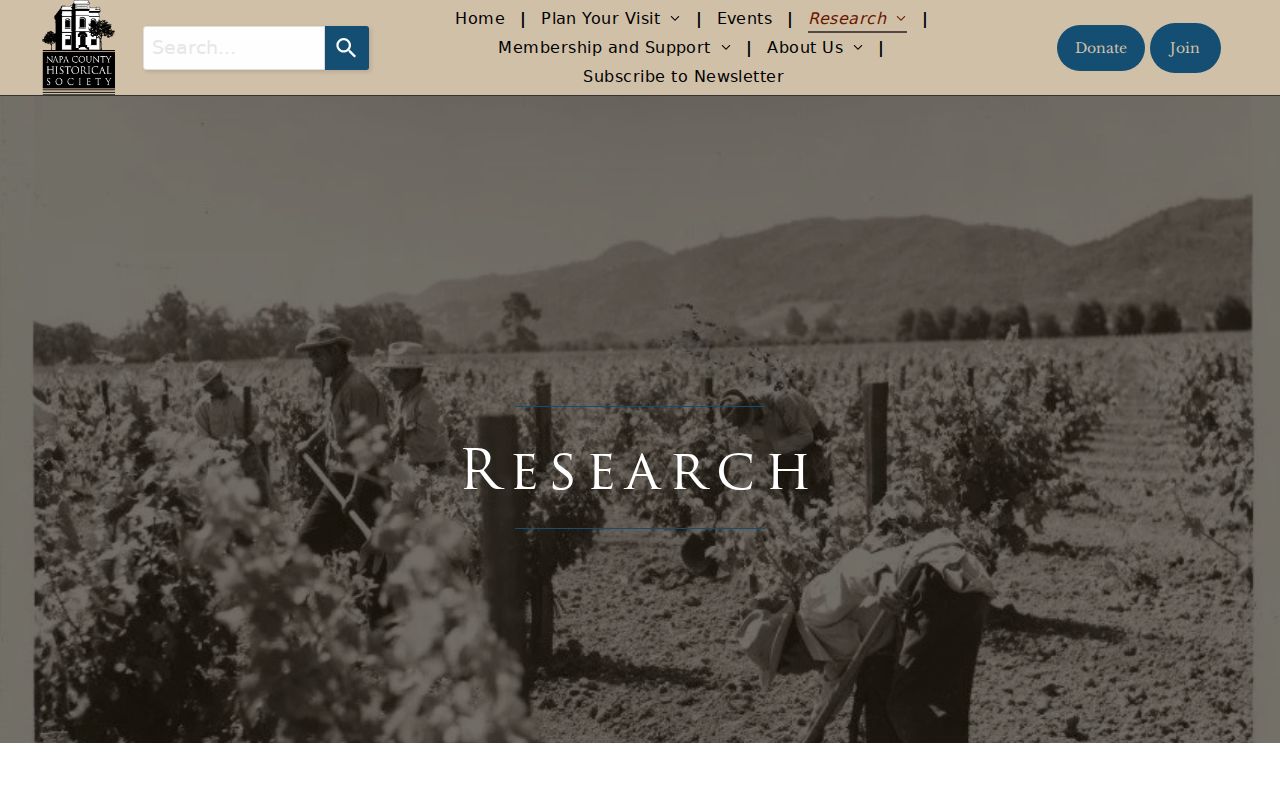
A collection description can guide a request, but the requested item still needs its own place and date check.
The Historical Society finding aids provide a place to test the alternate name.
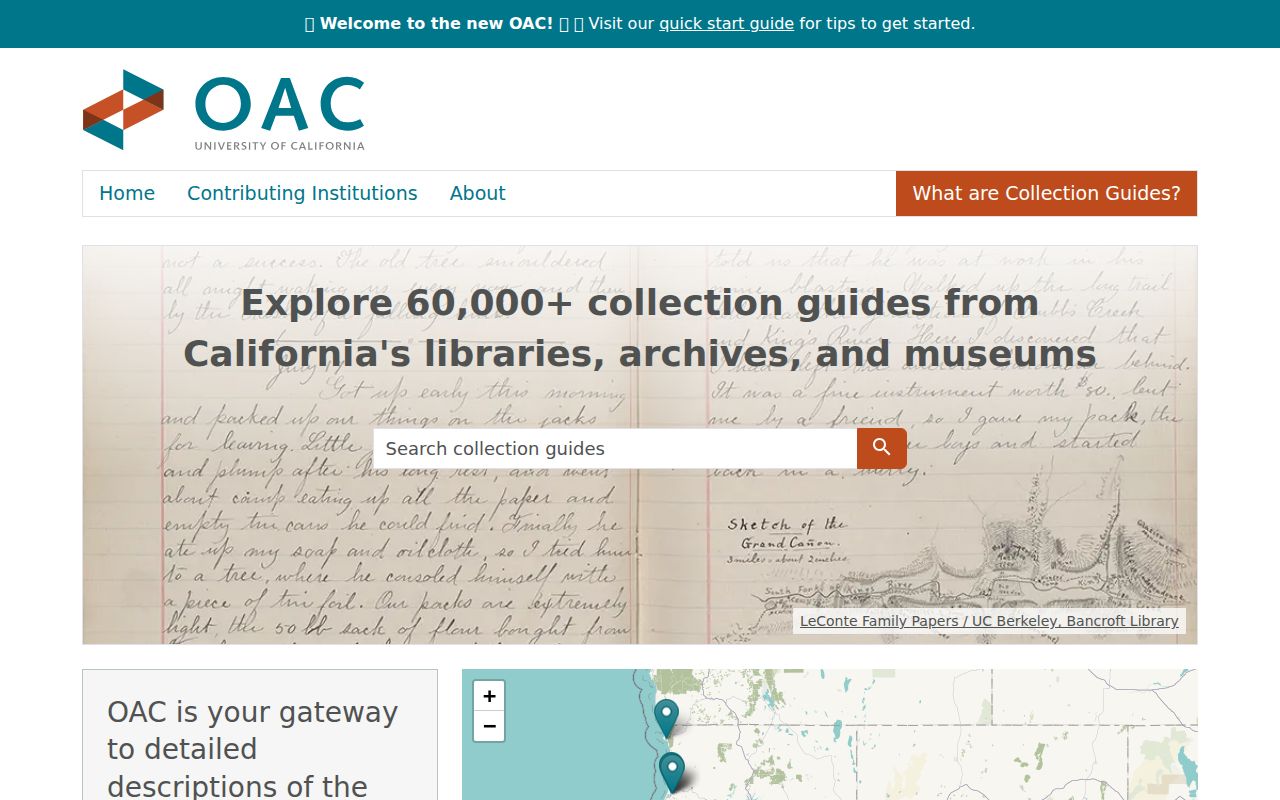
Use the catalog language as a clue, then anchor the result to a document, map, or dated household source.
American Canyon Previous Households in Directories
City directories and census schedules show the household layer that deeds cannot. The verified Polk run for Napa begins in 1937 and is nearly continuous through the 1950s, but inclusion of every American Canyon household is not confirmed. Search Napa Junction and countywide scope, inspect the title page and abbreviation key, and transcribe only what the volume shows.
Pair the years rather than treating a single directory line as a full history:
- Choose a deed interval and list the directory years that fall inside it.
- Search the exact surname, initials, variants, and address section in each volume.
- Compare the directory address with the census date, Great Register entry, tax assessment, and deed legal description.
- Use newspapers, obituary files, cemetery records, probate, and later deeds to explain a disappearance.
A criss-cross directory is a reverse address tool when a verified volume contains one. It can show a listed occupant or householder, but its geographic scope and publication date control. A gap may mean a move, death, boundary issue, missed publication, or altered place label. The historical collection details belong with the American Canyon city directory page.
The digitized Polk search provides a lead to Napa volumes.
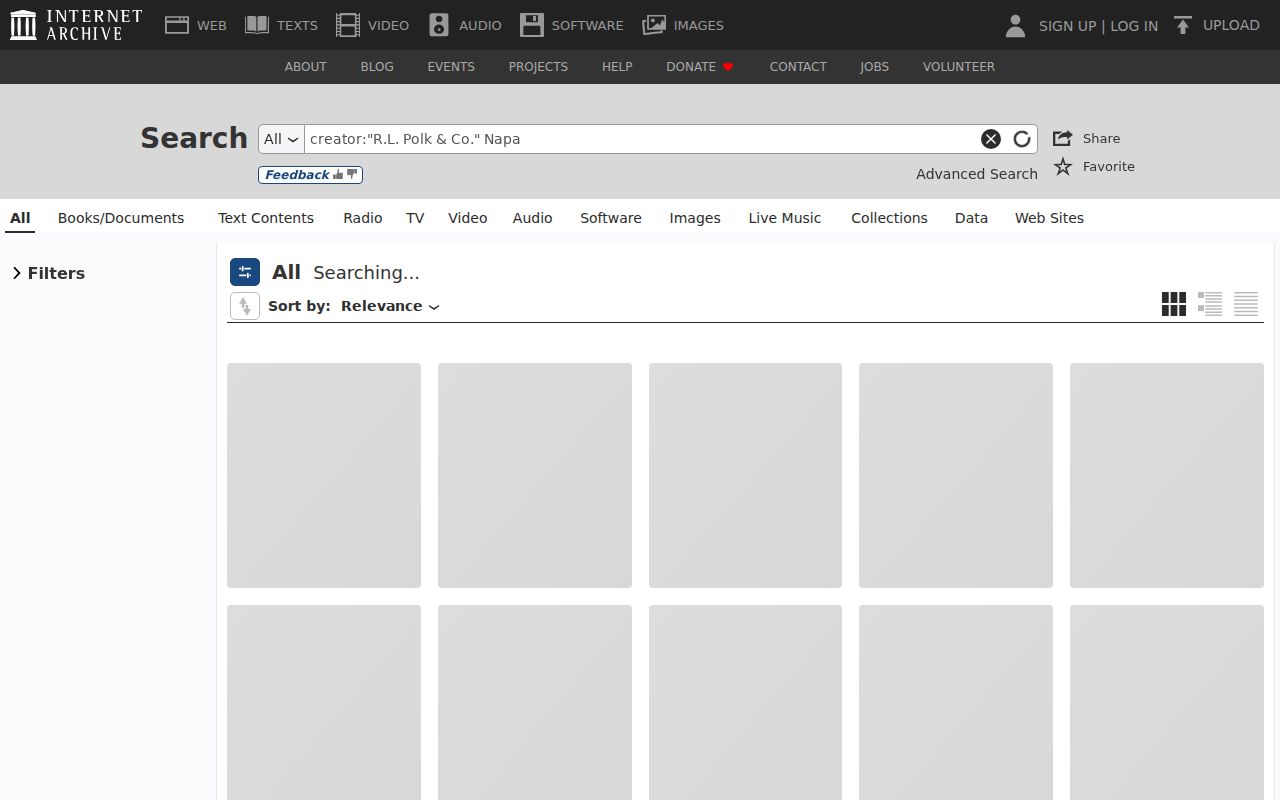
Use a scan or shelf copy only after confirming the publisher, year, page, and area it claims to cover.
American Canyon Previous Resident Permit Clues
Permits can help date an alteration, subdivision, inspection, or project contact along the previous residents trail. American Canyon Community Development handles Building, Planning and Zoning, and Code Enforcement. Contact numbers are 707-647-4581 for Building, 707-647-4599 for Code Enforcement, and 707-647-4348 for Planning and Zoning. The city's OpenGov portal required interactive JavaScript during inspection, so exact fields and coverage dates were not verified.
For a parcel inside city limits, start with the city portal or department. For an older or fringe file, repeat with Napa County PBES, which covers county-held Building, Planning, Engineering, Well, wastewater, Conservation, Code Enforcement, Consumer Protection, and inspection material. Complaint material, stamped plans, calculations, copyright material, trade secrets, and other protected records may not display.
Permit evidence can explain when a building changed or who applied for work. It does not establish every former household. Request a defined existing record under the California Public Records Act when the online route ends.
American Canyon House History Records
The Napa County Historical Society's Luther Turton Architectural Drawings cover 1889-1921, with the bulk from 1905-1919 and 305 drawing sets. The collection includes residences, businesses, schools, churches, and industrial buildings. Many sets are indexed by client or business, so a surname from a deed or city directory can be the bridge into a building-history collection.
In-person research appointments are free. Remote property, genealogy, and general research is listed at $50 per hour prepaid, or $20 per hour for nonprofits, with a normal four-week delivery and a possible 25 percent rush surcharge. Search CatalogIt with exact phrases, plus-combined terms, alternate spellings, Napa Junction, and a street name without the house number.
Old plans are evidence of a commission or building project. They are not automatically proof that the named client lived at the property. Pair a drawing with the deed, permit, tax, directory, or newspaper record that supplies the resident context.
The California State Archives is another historical fallback for state-government records and finding aids.
Archives may require a reference request or research-room visit, so preserve the collection name and finding-aid reference.
American Canyon Previous Residents at Trail Endpoints
Former residents often leave the clearest trail at an endpoint. NVGS obituary files cover 1970-2003 and 2011-2014, and its cemetery index covers 1850-2013. Newspapers can add a notice, social item, death report, property advertisement, or legal filing. Superior Court probate files can identify heirs and estate relationships, subject to redaction and access limits.
Use a death index or obituary to test a name, family link, and former place. Use a cemetery record to confirm burial and dates. Use probate or a recorded affidavit or deed for the legal connection. A family-tree assertion without a custodian or published source is not enough.
The county library can help route newspaper, obituary, census, and genealogy searches. NVGS offers a named lookup or appointment. State archives, FamilySearch, NCHS, and California State Library finding aids add older layers. Mail or counter requests remain available when a file is not online.
Lawful house history. Previous residents research is for property history, family history, estate work, and personal curiosity. Do not use an old address trail to stalk, harass, threaten, or harm a living person.
Note: Current address-keyed records belong with the American Canyon street directory; this backward trail should stop when an official source no longer supports the next link.